Rose Guide to the Tabernacle: An Overview
Rose Publishing offers a detailed guide exploring the Tabernacle’s rich symbolism‚ connecting its construction and purpose to foreshadowing of Jesus Christ’s sacrifice and holiness.
The Tabernacle‚ a portable sanctuary for the Israelites during their wilderness wanderings‚ stands as a pivotal structure in biblical history. Rose Publishing’s guide illuminates this sacred space‚ revealing it wasn’t merely a tent‚ but a divinely designed representation of God’s presence amongst His people. Constructed at God’s command following the Exodus‚ the Tabernacle served as the central hub for worship and communion.
This guide delves into the Tabernacle’s significance‚ highlighting its intricate details and symbolic layers. It explores how every aspect – from its dimensions to its furnishings – pointed towards a greater spiritual reality. Understanding the Tabernacle provides crucial insight into the Old Testament sacrificial system and‚ importantly‚ its fulfillment in Jesus Christ. The Rose guide aims to unlock these profound connections‚ offering a comprehensive overview for students and enthusiasts alike.
Historical Context of the Tabernacle
The Rose guide places the Tabernacle firmly within its historical setting: the 40 years of Israel’s journey through the wilderness after their liberation from Egyptian slavery. Following the giving of the Law at Mount Sinai‚ God instructed Moses on the Tabernacle’s precise construction‚ providing detailed specifications for its materials and layout. This occurred around 1446 BC‚ as indicated by historical timelines.
This portable sanctuary was essential because the Israelites were nomadic‚ constantly moving under God’s guidance. The Tabernacle provided a fixed point for worship and a tangible symbol of God’s covenant with them. It served as a precursor to the later Temple in Jerusalem‚ embodying the same principles of holiness and divine presence. The Rose Publishing resource emphasizes understanding this historical backdrop is crucial for interpreting the Tabernacle’s symbolism and appreciating its enduring spiritual significance.
The Tabernacle’s Construction & Materials
The Rose guide details the Tabernacle’s meticulous construction‚ utilizing materials like acacia wood‚ gold‚ linen‚ and animal skins‚ all divinely specified for its sacred purpose.
The Outer Court: Dimensions and Purpose
The Rose guide illuminates the Outer Court as the Tabernacle’s initial access point‚ a rectangular enclosure measuring 100 cubits by 50 cubits. This space‚ defined by linen curtains supported by bronze pillars‚ served as the common area for the Israelites.
Its primary purpose was for those approaching God – bringing sacrifices‚ and for the general populace to experience a degree of nearness to the divine. The Altar of Burnt Offering and the Laver (basin for priestly washing) resided within this court‚ signifying initial cleansing and atonement.
This area represented a space of preparation and acknowledgement of sin before entering the more sacred spaces. The guide emphasizes that the Outer Court‚ while accessible to all‚ still demanded reverence and adherence to God’s prescribed rituals‚ foreshadowing the broader accessibility of grace through Christ.
The Holy Place: Furniture and Significance
The Rose guide details the Holy Place‚ a space entered only by priests‚ measuring 20 cubits by 10 cubits. It housed three key pieces of furniture‚ each laden with symbolic meaning. The Table of Showbread presented the bread of the Presence‚ representing God’s provision and the nourishment He offers His people.
The Golden Lampstand (Menorah)‚ crafted from pure gold‚ provided continual light‚ symbolizing God’s presence and the illuminating power of His Word. Finally‚ the Altar of Incense served as a place for offering fragrant incense‚ representing the prayers of the people ascending to God.
The guide highlights that the Holy Place signified a deeper level of communion with God‚ accessible only through priestly mediation and ritual purity. These furnishings collectively pointed towards the ultimate fulfillment of these symbols in Jesus Christ‚ the true bread of life‚ the light of the world‚ and the perfect High Priest.
The Table of Showbread
The Rose guide emphasizes the Table of Showbread‚ constructed from acacia wood and overlaid with pure gold‚ as a central element within the Holy Place. It held twelve loaves of unleavened bread‚ representing the twelve tribes of Israel‚ perpetually renewed every Sabbath. This symbolized God’s ongoing provision and covenant relationship with His people.
The placement of the table‚ alongside the lampstand and altar of incense‚ underscored its importance in maintaining communion with God. The priests were permitted to eat of the bread‚ signifying their participation in God’s grace and sustenance.
Importantly‚ the Rose publication connects this table to Jesus Christ‚ who declared Himself the “bread of life” (John 6:35). Just as the showbread nourished the priests‚ Jesus offers spiritual nourishment and eternal life to all who believe‚ fulfilling the symbolism of continual provision.
The Golden Lampstand (Menorah)
The Rose guide highlights the Menorah‚ a seven-branched lampstand crafted from pure gold‚ as a pivotal symbol of God’s light and illumination within the Tabernacle’s Holy Place. Its design‚ hammered from a single piece of gold‚ represented the completeness and unity of God’s divine nature.
The continually burning oil in the Menorah signified the Holy Spirit’s presence and guidance‚ illuminating God’s truth and revealing His glory. The priests were responsible for maintaining the flame‚ symbolizing their duty to nurture and protect God’s word.
The Rose publication draws a direct parallel between the Menorah and Jesus Christ‚ “the light of the world” (John 8:12). Just as the Menorah dispelled darkness‚ Jesus brings spiritual enlightenment and reveals the path to salvation‚ fulfilling the Old Testament symbolism of divine illumination;
The Altar of Incense
The Rose guide details the Altar of Incense‚ positioned before the veil of the Holy of Holies‚ as a crucial element in priestly worship within the Tabernacle. Constructed of acacia wood overlaid with gold‚ it served as a focal point for offering fragrant incense – a symbol of prayers ascending to God.
Specific incense recipes‚ detailed in Exodus 30‚ were meticulously followed‚ emphasizing the importance of reverence and obedience. The burning incense represented the collective prayers and intercession of the Israelites‚ creating a sweet aroma pleasing to God.
The Rose publication connects the Altar of Incense to Jesus Christ as the ultimate High Priest‚ whose prayers and intercession for believers are eternally accepted by the Father. Revelation 5:6 depicts Christ as having “seven horns and seven eyes‚” symbolizing complete power and perfect knowledge in interceding on our behalf‚ fulfilling the Old Testament imagery.
The Holy of Holies: God’s Dwelling Place
The Rose guide reveals the Holy of Holies as the Tabernacle’s most sacred space‚ housing the Ark of the Covenant—God’s earthly throne and dwelling place.
The Ark of the Covenant: Contents and Symbolism
The Rose Guide to the Tabernacle meticulously details the Ark of the Covenant‚ a gilded wooden chest central to Israelite worship. Within it resided the Ten Commandments—stone tablets representing God’s covenant with His people—a pot of manna symbolizing provision‚ and Aaron’s rod that budded‚ signifying God’s chosen leadership.
The Ark wasn’t merely a container; it was profoundly symbolic. Its solid construction spoke of God’s unchanging nature‚ while the gold overlay reflected His glory and purity. The Mercy Seat‚ atop the Ark‚ was the designated place for atonement‚ where the high priest would sprinkle blood during the Day of Atonement.
This act foreshadowed the ultimate sacrifice of Jesus Christ‚ offering complete and final atonement for sin. The Rose guide emphasizes how the Ark‚ as God’s throne‚ demonstrated His presence and holiness‚ demanding reverence and obedience from the Israelites‚ and ultimately‚ pointing towards a deeper relationship with God through Jesus.
The Mercy Seat and Atonement
The Rose Guide to the Tabernacle highlights the Mercy Seat (Kapporet) as the pivotal point of atonement within the Holy of Holies. Positioned atop the Ark of the Covenant‚ it was the place where God communed with His people and where sacrifices symbolically met divine justice.
Atonement‚ achieved through the yearly sacrifice of a bull and a goat by the High Priest on the Day of Atonement (Yom Kippur)‚ involved sprinkling blood upon and before the Mercy Seat. This ritual wasn’t about appeasing a wrathful God‚ but about covering sin and restoring fellowship.
The Rose guide emphasizes that this system was a temporary measure‚ foreshadowing the ultimate and perfect sacrifice of Jesus Christ. His blood‚ shed on the cross‚ provides complete and eternal atonement‚ making the Old Testament rituals obsolete. The Mercy Seat‚ therefore‚ symbolizes God’s gracious provision for forgiveness and reconciliation through faith in Jesus.
Symbolism within the Tabernacle
The Rose Guide reveals the Tabernacle’s intricate symbolism—colors‚ materials‚ and layout—all pointing towards Christ and God’s plan for redemption and holiness.
Colors of the Tabernacle: Scarlet‚ Purple‚ and Blue
The Rose Guide to the Tabernacle highlights the profound significance of the colors used in its construction. Scarlet‚ derived from a worm dye‚ represents sacrifice and the shedding of blood for atonement – foreshadowing Christ’s ultimate sacrifice. Purple‚ a costly dye reserved for royalty‚ symbolizes majesty‚ power‚ and the kingship of God.
Blue‚ specifically “tekhelet” (a shade derived from a sea snail)‚ represents heaven‚ divinity‚ and faithfulness. These weren’t merely aesthetic choices; they were deliberate theological statements woven into the very fabric of the Tabernacle. The combination of these colors visually communicated God’s holiness‚ authority‚ and redemptive plan.
The consistent use of scarlet‚ purple‚ and blue throughout the Tabernacle—in the curtains‚ coverings‚ and priestly garments—served as a constant reminder of God’s character and His covenant with Israel‚ ultimately pointing to the fulfillment found in Jesus Christ.
The Tabernacle as a Foreshadowing of Jesus Christ
The Rose Guide to the Tabernacle emphasizes its role as a divinely ordained foreshadowing of Jesus Christ; The entire structure‚ from its layout to its sacrificial system‚ pointed towards the coming Messiah. The Tabernacle itself‚ as God’s dwelling place among His people‚ prefigured Jesus – Immanuel‚ “God with us.”
The sacrifices offered within the Tabernacle were imperfect but necessary‚ symbolizing the ultimate‚ perfect sacrifice of Christ on the cross for the forgiveness of sins. The High Priest’s role‚ mediating between God and the people‚ foreshadowed Jesus‚ our ultimate High Priest.
Even the furniture – the Table of Showbread representing Christ as the Bread of Life‚ and the Lampstand symbolizing Christ as the Light of the World – all pointed to His identity and redemptive work. Understanding the Tabernacle unlocks a deeper appreciation for the fulfillment of prophecy in Jesus Christ.
Sacrifices in the Tabernacle: Pointing to Christ’s Sacrifice
The Rose Guide highlights how the sacrificial system within the Tabernacle wasn’t an end in itself‚ but a prophetic demonstration of the need for‚ and a foreshadowing of‚ Christ’s ultimate sacrifice. Each offering – burnt‚ sin‚ peace‚ and grain – symbolically addressed different aspects of sin and reconciliation with God.
Repeated animal sacrifices underscored the insufficiency of earthly offerings to truly atone for sin. These continual offerings pointed to a singular‚ perfect sacrifice that could finally satisfy divine justice. The shedding of blood‚ central to each sacrifice‚ prefigured the shedding of Christ’s blood on the cross.
The meticulous detail surrounding the sacrifices – the specific animals‚ the precise procedures – emphasized the holiness of God and the seriousness of sin. Ultimately‚ the Tabernacle sacrifices served as a constant reminder of humanity’s need for redemption‚ a redemption fully realized through Jesus Christ’s sacrifice.
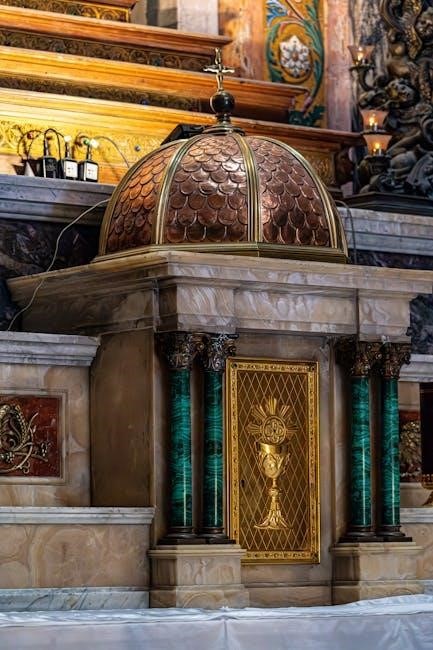
The Rose Symbolism and the Tabernacle
The Rose Guide connects the Tabernacle’s holiness to the rose‚ a symbol of divine love and beauty found in religious art‚ representing spiritual delight and grace.
The Rose in Religious Art and Tradition
Throughout history‚ the rose has held profound significance in religious art and tradition‚ often symbolizing the Virgin Mary and divine love. Its delicate beauty and captivating fragrance have made it a recurring motif in depictions of paradise and spiritual awakening. The Rose Guide to the Tabernacle draws parallels between this symbolism and the sacred space itself.
Medieval illuminated manuscripts frequently featured rose windows in cathedrals‚ representing the cosmos and God’s all-encompassing presence. Similarly‚ the Tabernacle‚ as a dwelling place for the divine‚ can be viewed through this lens of sacred geometry and symbolic representation.
The poem mentioned‚ referencing “Lo‚ How a Rose Ere Blooming‚” further illustrates the flower’s association with devotion and the unfolding of spiritual truth. The rose‚ therefore‚ isn’t merely a decorative element but a powerful emblem of faith‚ purity‚ and the mysteries of God’s presence‚ echoing the holiness contained within the Tabernacle.
Connections between the Rose and the Tabernacle’s Holiness
The connection between the rose and the Tabernacle’s holiness lies in their shared representation of divine beauty and sacred space. Just as a rose unfolds its petals to reveal inner perfection‚ the Tabernacle unveiled God’s presence to the Israelites. Both embody a sense of mystery and reverence‚ inviting contemplation of the divine.
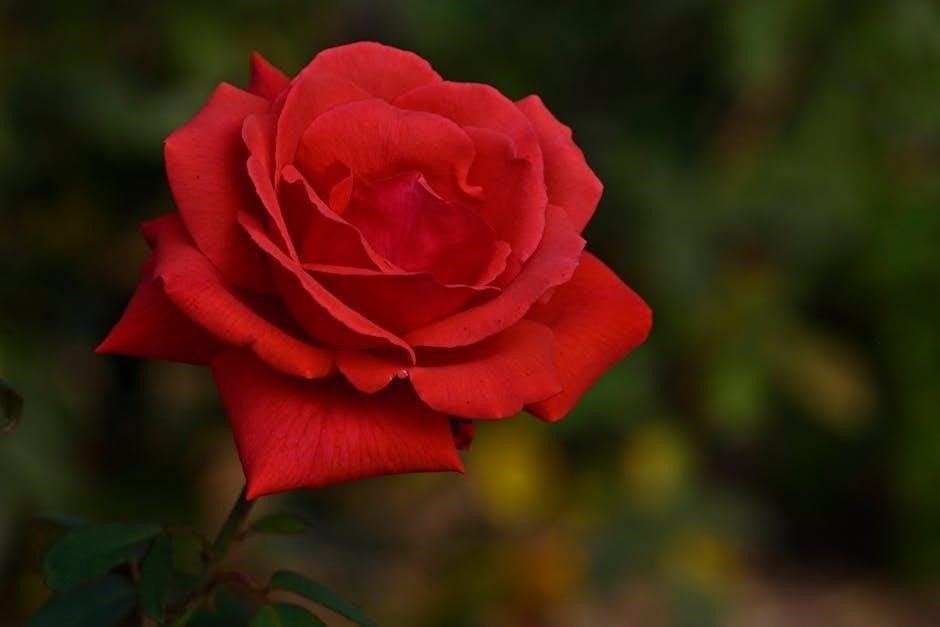
The Tabernacle’s meticulous construction‚ utilizing scarlet‚ purple‚ and blue – colors evoking royalty and spirituality – mirrors the rose’s intricate form and vibrant hues. Both are testaments to deliberate design and inherent beauty. The Rose Guide to the Tabernacle highlights how these elements point towards a higher reality.
Furthermore‚ the rose’s association with secrecy and enclosed beauty reflects the Holy of Holies‚ the Tabernacle’s most sacred chamber. Both symbolize a hidden realm accessible only through reverence and faith‚ reinforcing the Tabernacle’s role as a conduit to the divine.