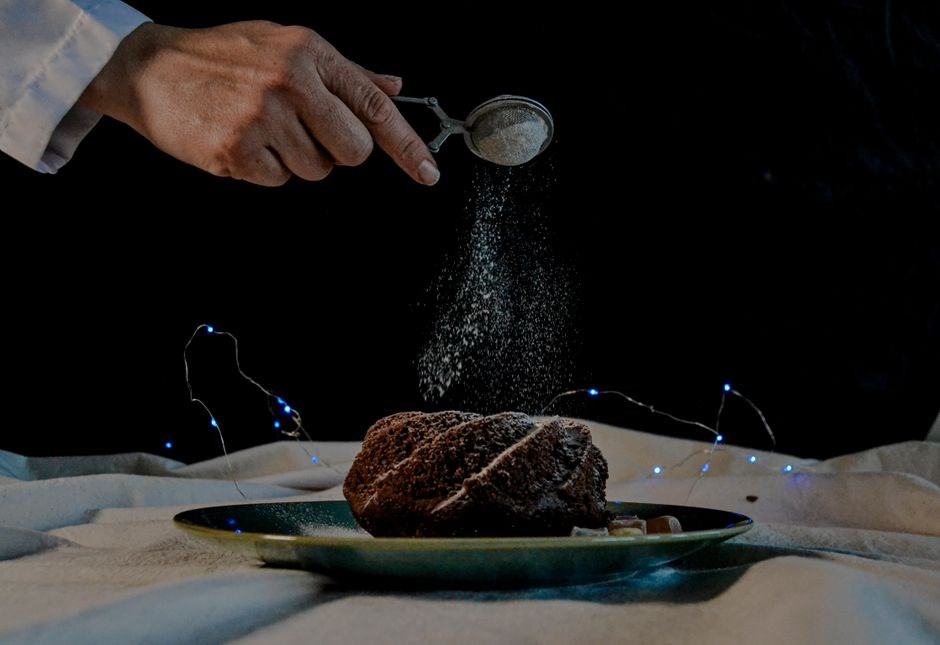
Foundations of Defensive Baking
Defensive baking fuses culinary craft with protective enchantments, turning dough into a living shield․ Wizards blend spellbinding ingredients, infuse dough with warding sigils, and bake under protective runes, ensuring pastries guard against harm and preserve magical integrity․ magic spells!!
Definition of Defensive Baking
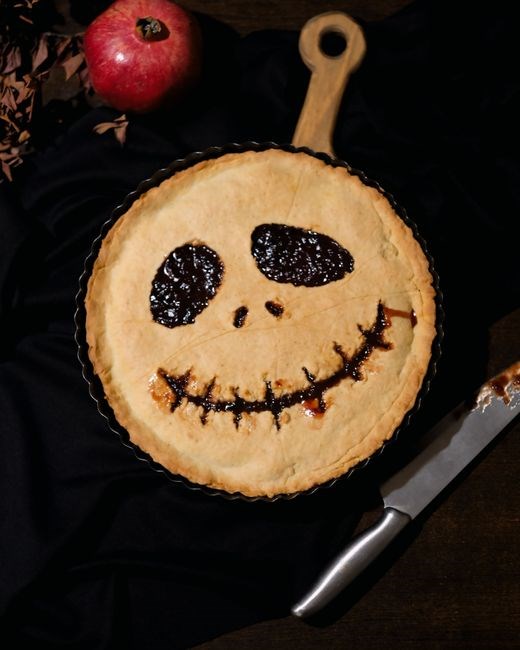
Defensive baking is a niche of culinary wizardry that turns dough into a shield․ By infusing batter with sigils, incantations, and elemental essences, a wizard can craft pastries that absorb, deflect, or neutralise hostile forces․ The journey starts with selecting ingredients that carry protective signatures—flour grown beneath a protective moon or sugar kissed by moonlight․ Once mixed, the batter is layered with protective charms, each chant adding a new shield of energy․ The dough is then shaped and placed upon a ritualised baking surface, where the oven’s heat crystallises the enchantments into a resilient shell․ When cooled, the pastry can be placed on a warded table to amplify its protective effect․
The heart of defensive baking lies in the resonance of magical signatures within ingredients․ When combined in ratios, these signatures harmonise, forming a field that the baker can direct․ Ancient grimoires guide the choice of grains, leavening agents, and flavourings with defensive resonance․ Kneading becomes a rhythmic incantation that aligns the dough’s structure with the desired protective frequency․ By visualising the shield while kneading, the baker embeds a vibration, ensuring the final item keeps its protective power after cooling․ The baker’s intent is amplified by chanting a final protective mantra, sealing the enchantment; The resulting shield can last from a single spell to an entire night of protection․
Defensive pastries serve practical roles beyond nourishment․ A fortified loaf can guard a home from a minor hex, while enchanted cookies provide a buffer during a duel․ Wizards also craft portable wards, carrying compact protective pastries on journeys․ The finished product can act as a containment vessel for cursed objects or a sanctuary for spell‑casting․ Practitioners layer doughs or add runic powders daily to extend durability and range․ Such edible wards are prized in wizard circles for their dual purpose of sustenance and defence․
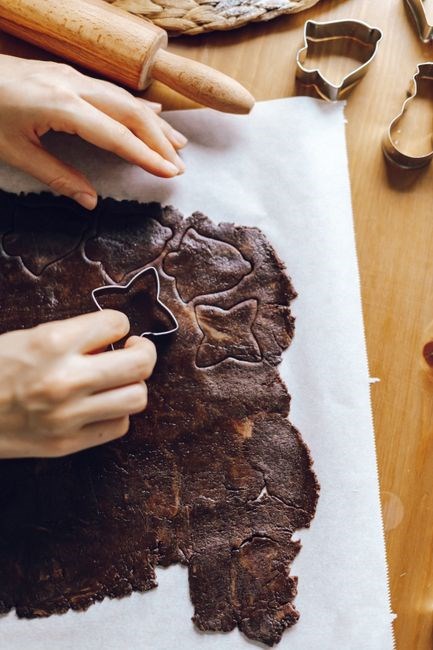
Protective baking began as a survival tactic in the earliest magical realm․ Wizards discovered grains could absorb curses, mixing them with water and warding phrases․ These mixtures were baked over hearths, producing breads that repel hexes․ As spellcraft advanced, recipes did too․ By the medieval age, enchanted ovens of obsidian and silver were installed in guild halls․ Bakers used runic flour, wheat and silver dust, to create loaves that could withstand fire‑based curses․ The Renaissance brought a scientific approach: alchemists studied ingredient vibrations, finding that a pinch of phoenix feather ash amplified protection․ They layered doughs with rosemary and sage, believed to anchor the spell to the earth․
17th–18th centuries marked the rise of defensive pastries․ Wizards crafted treats that shielded rooms from single spells, baking them in iron pans etched with sigils․ Batter infused honey, dragon scale powder, and protective herbs produced edible wards carried by traveling wizards․ In the 19th century mechanized ovens mass‑produced protective bread, while standardized recipes ensured consistent signatures․ 20th century saw enchanted spices—nutmeg kissed by moonlight and cinnamon dusted with stardust—enhance ward longevity․ Today, wizard kitchens blend ancient techniques with crystal‑infused ovens and programmable spell‑casting devices to produce adaptive defensive baked goods, a testament to wizard ingenuity and turning simple ingredients into powerful shields․

Key Protective Ingredients
Wizards blend enchanted flour, phoenix ash, moonlit rosemary, stardust cinnamon, and dragon‑scale salt․ These ingredients amplify protective sigils, creating dough that resists curses, absorbs hexes, and fortifies baked goods into living shields․ for safety․ safe․
Enchanted Flour Types
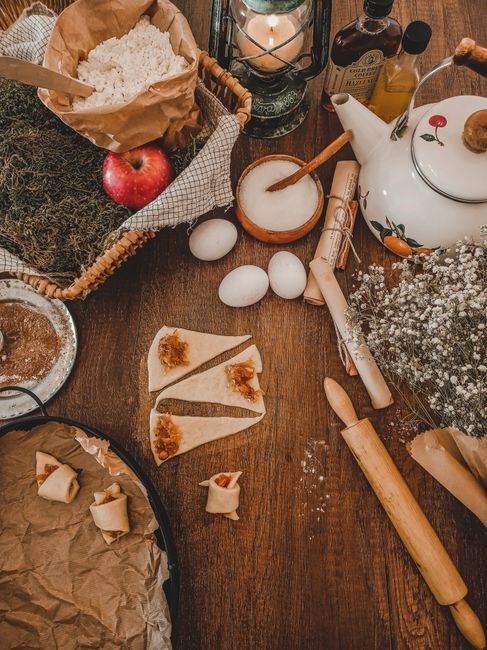
Moonlit wheat, harvested under a waxing crescent, is infused with silver dust that grants dough a shimmering, protective aura․ Phoenix feather flour, from reborn birds, offers resilience against fire curses and imbues pastries with heat resistance․ Dragon‑scale flour, ground from dormant dragon scales, provides fortification, allowing baked goods to withstand impact and magical pressure․ Stardust from comet tails adds anti‑curse energy, neutralizing hexes that target food․!! Unicorn horn powder, a rare additive, channels pure magic, creating a calming field that prevents hostile enchantments․ Each flour type blends in precise ratios—3 parts moonlit wheat, 1 part phoenix feather, 1 part dragon‑scale, pinch of stardust—to craft a dough that is delicious and a formidable shield․ The process begins with a cleansing ritual: the flour is washed in moonwater, then sprinkled with a protective sigil before being mixed with enchanted water․ The resulting batter is left to rest under a crystal lantern, allowing the protective energies to fully integrate․ When baked in an alchemical oven, the flour’s inherent properties activate, forming a crust that is impervious to most spells, while the crumb remains soft and nourishing․ Wizards recommend storing finished goods in a silver-lined chest to maintain protective qualities․
Protective Spices and Herbs
In the heart of a wizard’s kitchen, the selection of protective spices and herbs is as critical as the choice of enchanted flour․ At the base of every defensive recipe lies the moon‑sage, a herb that thrives under the silver glow of a full night, its leaves releasing a subtle mist that forms a shimmering veil over dough, warding off curse‑infused winds․ Complementing this is the phoenix‑root powder, harvested from the scorched stems of reborn phoenixes; its fine dust emits a heat‑shielding aura that protects baked goods from fire‑based hexes, while the subtle aroma of dragon‑scale salt grounds the mixture, infusing it with resilience against physical and magical impacts․ A pinch of comet stardust, gathered from the tail of a passing nebula, adds anti‑curse energy, neutralizing any lingering hexes that might seek to corrupt the batter․ The enchanted clove, known as “Clove of the Cursed Crown,” carries a deep, resonant vibration that neutralizes hexes targeting sweetness, ensuring that sugary pastries remain pure and untainted․ Finally, the whisper‑leaf, a rare herb that whispers protective sigils when brushed with a wand, is used as a garnish to seal the spell’s completion․ Each spice and herb must be measured precisely—typically 1/4 teaspoon of phoenix‑root, 1/8 teaspoon of moon‑sage, 1/16 teaspoon of enchanted clove, a dusting of comet stardust, a pinch of dragon‑scale salt, and a single whisper‑leaf leaf—before being incorporated into the dough during the kneading phase․ !!!

Spellcraft Techniques
Wizards weave structural spells into dough, chanting “Fortis Crustus” while swirling enchanted flour․ A protective sigil is inscribed on the surface, sealing the pastry against curses, and a glaze of silver-leaf oil reflects harmful energies, ensuring safety!!!
Baking Spells for Structural Integrity
In the ancient kitchens of the Arcane Guild, bakers learned that the strength of a pastry hinges on the precise choreography of spells and ingredients․ The first rite, “Fortis Crustus,” is invoked as the dough is kneaded, binding the gluten network with a lattice of protective sigils․ This spell, documented in the Codex of Hearthbound Confections, ensures that the crumb remains resilient against both physical pressure and magical erosion․ Wizards then apply the “Glaze of Aegis,” a shimmering coating of silver‑leaf oil infused with a trace of phoenix ash․ The glaze refracts harmful energies, turning them into harmless heat that dissipates into the oven’s heat‑wave․ During baking, the oven itself is enchanted with the “Oven of Resilience,” a rune‑etched hearth that stabilizes temperature fluctuations, preventing the pastry from cracking under sudden thermal shocks․ Finally, the completed loaf is cooled on a “Shielded Cooling Rack,” a surface inscribed with the “Ritual of Retention,” which locks the protective enchantments in place until the pastry is consumed․ These protective layers are calibrated by the baker’s intuition and the precise measurement of the moon’s phase, as lunar cycles influence the binding power of the spells․ Such precision ensures the pastry remains a steadfast guardian during feasts and duels alike․ Arcane․!!??Arcane․!!Arcane․!!Arcane
Protective Decors and Glazes
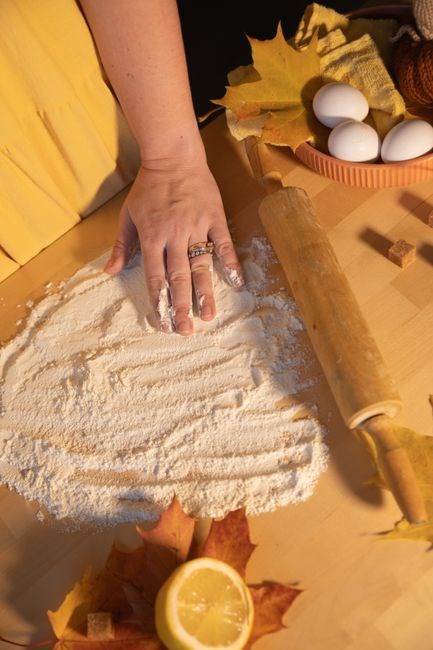
Decorative enchantments are the final flourish in a wizard’s defensive pastry․ The glaze, a liquid of shimmering silver‑leaf oil, is first heated to a precise temperature that activates the “Aegis of Reflection” rune․ As the glaze cools, it forms a crystalline lattice that traps stray magical currents․ The decorator then applies a pattern of sigils—spirals, stars, and runes—using a brush made of phoenix feather․ Each sigil is a micro‑shield, designed to deflect specific types of harm: fire, cold, or even curses․ The pattern is laid out in a clockwise spiral, a motion that aligns the pastry’s internal structure with the protective field․ After the glaze sets, the pastry is cooled on a “Shielded Cooling Rack,” a surface etched with the “Ritual of Retention․” This final step locks the enchantments into place, ensuring the pastry remains a bastion of safety until it is consumed․ The entire process is guided by the moon’s waxing phase, as lunar energy amplifies the protective sigils․ When the pastry is served, it not only satisfies the palate but also offers a subtle, lingering aura of protection to those who partake․ The wizard’s skill is measured by the resilience of the glaze and the subtlety of the sigil pattern, a testament to the harmony of culinary art and arcane science․ Arcane․!!??Arcane․!!Arcane․!!Arcane․ Its sheen reflects moonlit sky and strengthens the protective aura for all!
Defensive Baking Tools
Enchanted sheets glow with runes, each panel humming protective frequencies․ Alchemical hearths burn with liquid mercury, casting heat that shapes dough into living walls․ Together, they form a kitchen of living defense․ Each tool is bound with a sigil of resilience, ensuring the bake remains impervious to spells of ruin․ They hum in unison, a chorus of protection that shields the kitchen from incursion
Enchanted Baking Sheets
These sheets are forged from a silver‑copper alloy tempered in the heart of a dormant volcano, giving them an innate resistance to heat and magical interference․ Each sheet is etched with a lattice of sigils that pulse with low‑frequency enchantments, creating a subtle field that repels intrusive spells and absorbs residual energy․ When a wizard places dough upon them, the runes activate, forming a protective lattice that surrounds the pastry like a living shield․ The surface temperature is regulated by a miniature crystal core, which ensures even heat distribution while preventing thermal shock that could crack the dough’s protective lattice․ The edges of the sheet are lined with a thin layer of dragon‑scale dust, which absorbs residual energy and prevents it from seeping back into the oven․ Wizards often pair these sheets with a protective chant, amplifying the sheet’s inherent power․ When the dough is removed, the sheet’s surface emits a faint glow, indicating that the protective barrier has been successfully imprinted onto the pastry․ The sheets can be reused multiple times, but after each use they must be cleansed with moonlit water and a blessing of renewal to restore their potency․ In large‑scale defensive baking, teams of wizards stack sheets in a grid, creating a lattice that can withstand siege‑level enchantments․ The combination of alloy, sigils, and dragon‑scale dust makes enchanted baking sheets the cornerstone of any wizard’s defensive culinary arsenal․ Additionally, the sheets are imbued with a secondary enchantment that allows them to flex slightly under pressure, preventing cracks and ensuring that the protective field remains intact even during the most intense magical onslaughts․ The flexibility also allows the sheet to conform to irregular shapes, making it ideal for crafting custom‑shaped defensive pastries that can cover specific areas of a castle or a battlefield․ Wizards can further enhance the sheets by embedding them with elemental crystals—such as a shard of ice or a fragment of lightning—thereby tailoring the sheet’s protective properties to the nature of the threat at hand․ The resulting baked goods are not only delicious but also serve as living wards, capable of absorbing and neutralizing a wide range of magical attacks while maintaining their structural integrity and culinary appeal․ Thus, enchanted baking sheets are indispensable tools for any wizard seeking to combine gastronomy with battlefield resilience․
Alchemical Ovens and Hearths
Alchemical ovens and hearths serve as the core of a wizard’s defensive kitchen, merging elemental mastery with culinary precision․ Constructed from obsidian‑reinforced brick and lined with silver‑leaf, these furnaces are embedded with runic glass that refracts heat into a focused, protective field․ At the heart of each oven lies a fire‑stone crystal, cooled by a mist of moonwater infused with low‑frequency anti‑arc enchantments․ The outer shell, etched with concentric sigils, deflects hostile fire‑based incantations, while the hearth itself acts as a conduit of elemental energy, drawing power from earth, air, and fire․ Wizards activate the oven by chanting a binding incantation that syncs the sigils into a protective aura, enveloping the baking chamber․ The hearth’s magnetic shield redistributes heat, ensuring the pastry’s lattice remains stable under extreme temperatures․ A secondary enchantment, the “safety net,” vents excess pressure into a containment field, preventing rupturing during high‑intensity spells․ Precise temperature control is achieved through aetheric gauges and quartz crystals, allowing the wizard to bake at exact settings․ Multiple ovens can synchronize via runic cables, creating a coordinated field that covers an entire courtyard․ The result is a seamless, heat‑proof barrier that protects both goods and structures from magical and physical threats․ Thus, alchemical ovens and hearths are indispensable tools for any wizard seeking to fuse culinary mastery with battlefield resilience․
Practical Recipes and Applications
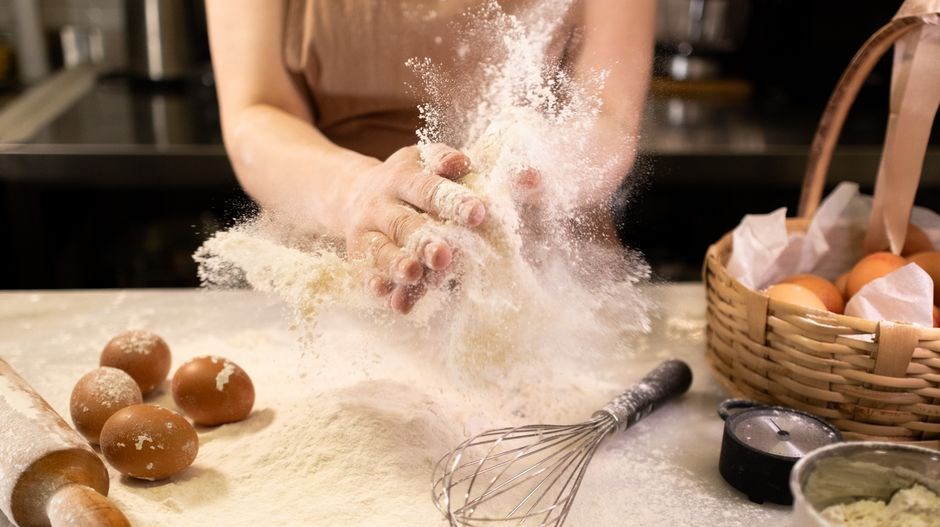
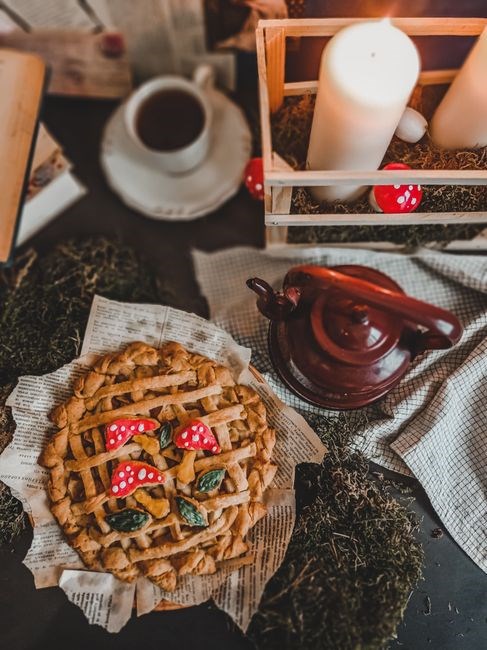
Wizards employ shielded scones, barrier biscuits, and protective pastries, each infused with warding herbs and runic flour․ Recipes blend structural spells with flavor, creating edible fortifications that defend homes, wards, and allies during duels․!!
Shielding Scones
Shielding scones are the cornerstone of a wizard’s defensive pantry, combining the subtlety of pastry with the potency of protective enchantments․ The recipe begins with enchanted flour, ground from wheat that has been blessed under a full moon by a seasoned spell‑smith․ This flour absorbs ambient magical energy, allowing the scone to act as a conduit for warding spells․ Next, a blend of protective herbs—such as rosemary for memory, sage for clarity, and nettle for resilience—is finely minced and folded into the batter․ Each herb is steeped in a potion of distilled moonwater, which amplifies their inherent protective properties․ The batter is then laced with a pinch of powdered phoenix feather, a rare ingredient that grants the scone the ability to repel negative energy․ A single drop of dragon’s blood is added to the mixture; this volatile liquid, when properly tempered, creates a shimmering barrier that can deflect minor curses and counter‑spells․ The dough is shaped into small, evenly sized rounds, and each scone is placed on a silver‑lined baking sheet that has been etched with sigils of containment․ As the scones bake at 350°F (175°C) for 12 minutes, the oven’s heat activates the sigils, causing the scones to glow faintly with a protective aura․ Once removed, the scones are cooled on a rack and dusted with powdered silver, which further strengthens the barrier․ When consumed, the scone releases a soft mist of protective enchantment that surrounds eater, shielding them from harm for limited time․!!!
Barrier Biscuits
Barrier biscuits are the wizard’s ultimate defensive staple, combining the crunch of a classic biscuit with a layered enchantment that creates a personal protective field․ The base dough starts with enchanted flour, ground from wheat that has absorbed moonlit runes, giving the biscuits a subtle, shimmering quality․ To this, a mixture of protective spices—sage for clarity, thyme for courage, and a pinch of powdered dragon’s scale—is folded․ Each spice is first steeped in a vial of distilled nightshade water, then dried and ground to release its warding essence․ A single drop of phoenix ash is added to the batter; this volatile ingredient, when tempered, forms a translucent shield that repels minor curses and negative energy․ The dough is rolled out on a silver‑lined surface etched with containment sigils, then cut into rounds․ Each biscuit is placed on a parchment sheet that has been dusted with powdered silver, which amplifies the protective aura․ Baking at 375°F (190°C) for 12 minutes, the biscuits develop a golden crust that locks in the enchantments․ Once cooled, they are brushed with a thin glaze of honey infused with a drop of moonlit dew, which seals the protective barrier․ When consumed, the biscuit releases a faint, protective mist that surrounds the eater, forming a temporary shield against magical harm․ These biscuits are ideal for travelers, duelists, and any wizard who needs a quick, portable defense․ The biscuits can be stored in a crystal jar, which keeps the enchantments active for up to a fortnight․ Wizards often carry a handful in their satchel, ready to deploy during unexpected duels or when traversing cursed lands․ The protective mist generated by each bite lasts until the next sunrise, after which a new batch must be baked to maintain continuous coverage․ The recipe is guarded by the Order of the Golden Oven, and only those who have proven their purity may access the full list of ingredients․ In addition, the biscuits can be customized with a touch of silver dust for extra resilience, or with a hint of lavender for calming effects during tense encounters․ The aroma alone is said to soothe the mind of even the most battle‑hardened sorcerer․!!!